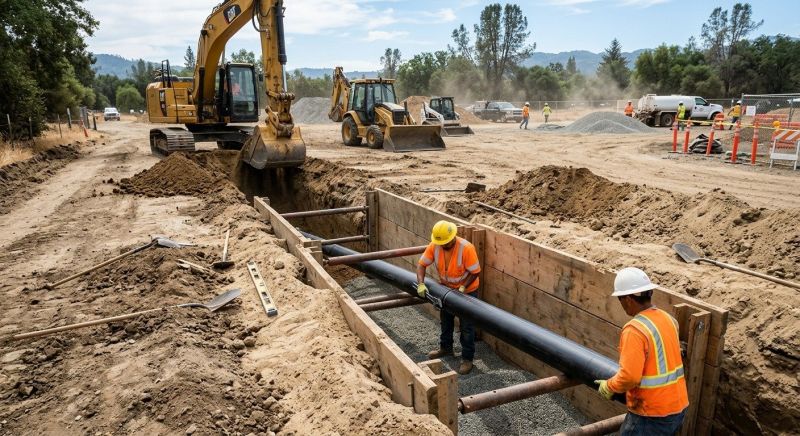
Trench Installation in Atlanta, GA
Trench installation services involve digging narrow, deep channels into the ground for various utility and drainage projects on residential properties. These trenches are commonly used for laying underground cables, pipes, sprinkler systems, or drainage solutions. Homeowners often request trench installation when installing new utility lines, upgrading existing infrastructure, or managing water runoff to prevent flooding. Understanding the scope of the project, including the depth, length, and purpose of the trench, is essential before requesting service to ensure proper planning and execution.
Property owners should consider factors such as the location of existing underground utilities, property boundaries, and local regulations before proceeding with trench installation. It is also helpful to clarify the intended use of the trench, whether for electrical wiring, plumbing, or drainage, as this can impact the trench’s specifications. Proper planning and coordination can help prevent damage to existing infrastructure and ensure the trench is suitable for its intended purpose. Contacting a professional for guidance can assist in determining the best approach for specific project needs.
Many property owners in Atlanta, GA look into Trench Installation for repairs, replacements, upgrades, and appearance-related improvements.
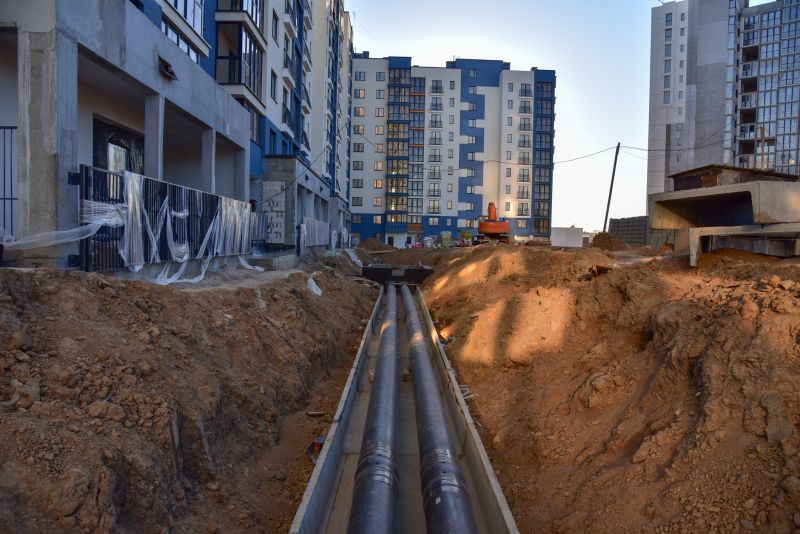
Trench Installation Services
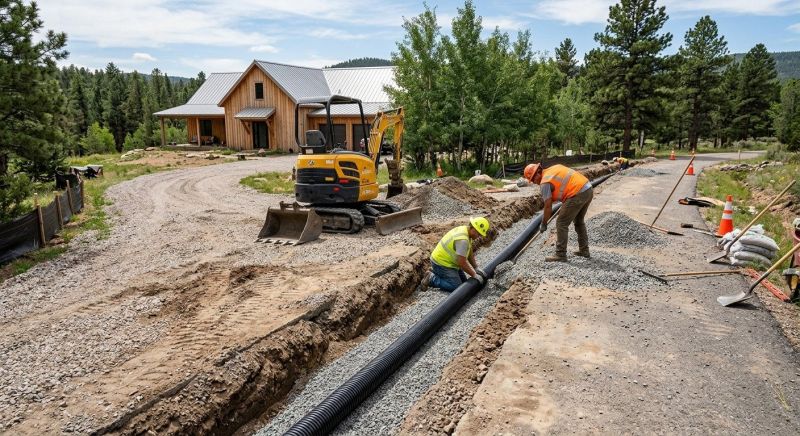
Examples of trench installation work property owners may explore in atlanta, ga.
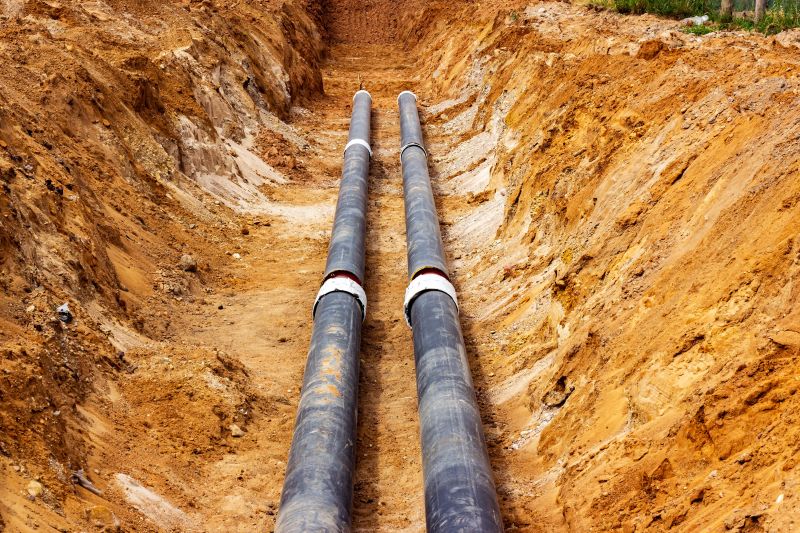
Trench Installation Updates
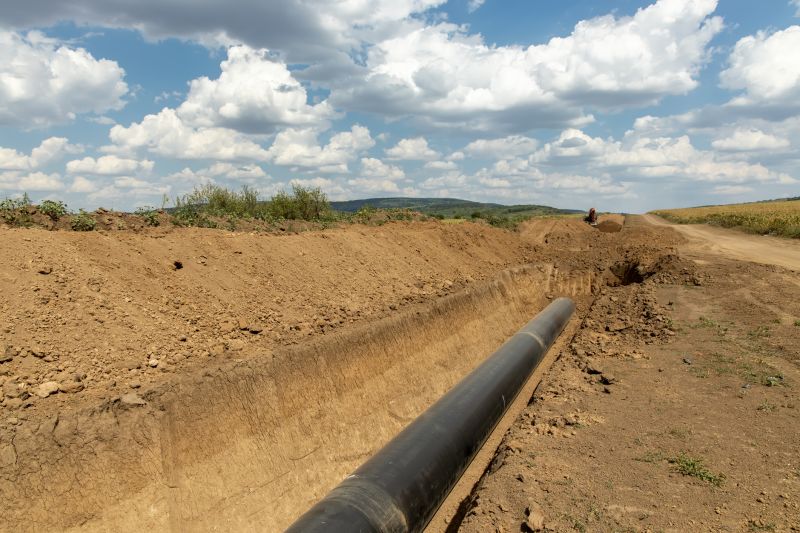
Common ways people refresh, improve, or restore trench installation features in atlanta, ga.
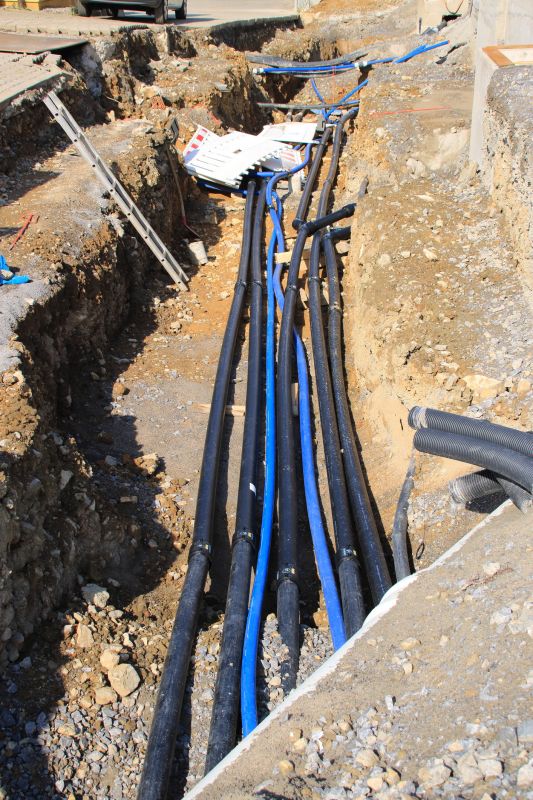
Trench Installation Options
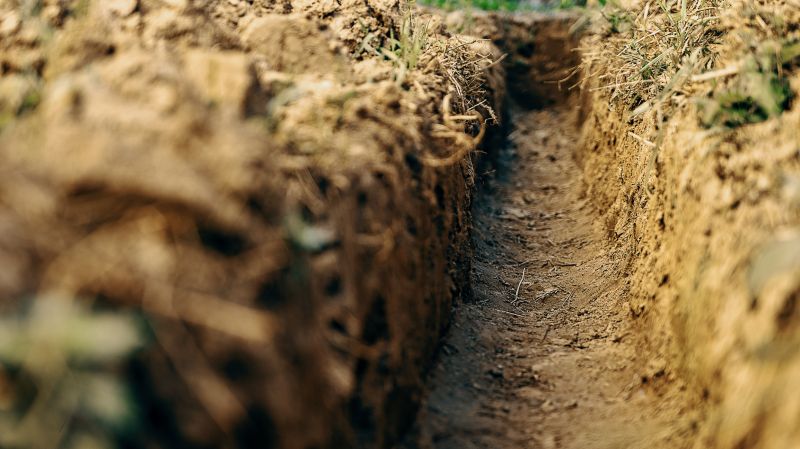
Different styles, layouts, and finishes people consider for trench installation in atlanta, ga.
Trench Installation in Atlanta, GA

Trench installation services involve digging narrow, deep channels into the ground for various utility and drainage projects on residential properties. These trenches are commonly used for laying underground cables, pipes, sprinkler systems, or drainage solutions. Homeowners often request trench installation when installing new utility lines, upgrading existing infrastructure, or managing water runoff to prevent flooding. Understanding the scope of the project, including the depth, length, and purpose of the trench, is essential before requesting service to ensure proper planning and execution.
Property owners should consider factors such as the location of existing underground utilities, property boundaries, and local regulations before proceeding with trench installation. It is also helpful to clarify the intended use of the trench, whether for electrical wiring, plumbing, or drainage, as this can impact the trench’s specifications. Proper planning and coordination can help prevent damage to existing infrastructure and ensure the trench is suitable for its intended purpose. Contacting a professional for guidance can assist in determining the best approach for specific project needs.
Many property owners in Atlanta, GA look into Trench Installation for repairs, replacements, upgrades, and appearance-related improvements.
Common Trench Installation Jobs
Drainage Trench Installation - helps direct water away from foundations and landscaping areas.
Foundation Drainage Trench - prevents water pooling around building foundations.
French Drain Installation - manages surface and subsurface water to reduce flooding risks.
Yard Drainage Trench - improves overall yard drainage and prevents soil erosion.
Perimeter Trench - creates a barrier to control water flow along property boundaries.
Custom Trench Solutions - tailored to address specific drainage challenges on residential properties.
Trench Installation Questions
What types of projects typically require trench installation? Trench installation is often used for laying utility lines, irrigation systems, drainage solutions, or preparing foundations for fencing and landscaping.
How deep are trenches usually dug? The depth of trenches varies based on the project, but they are generally dug deep enough to accommodate the utility lines or pipes being installed, often between 12 to 36 inches.
What should property owners consider before trench installation? It's important to identify underground utilities, obtain necessary permits, and consider the impact on landscaping or existing structures before starting trench work.
Are there restrictions on where trenches can be dug? Yes, trenches should avoid areas with underground utility lines, tree roots, or other obstructions, and must comply with local regulations and property boundaries.
Request Trench Installation in Atlanta, GA
Use the quote form on this page to share the basics of your project and request more information for the type of work you need.